Tag: buy RuneScape gold

Master the Inferno’s Gateway: Ultimate OSRS TzHaar Fight Cave Survival Guide for TzTok-Jad Glory

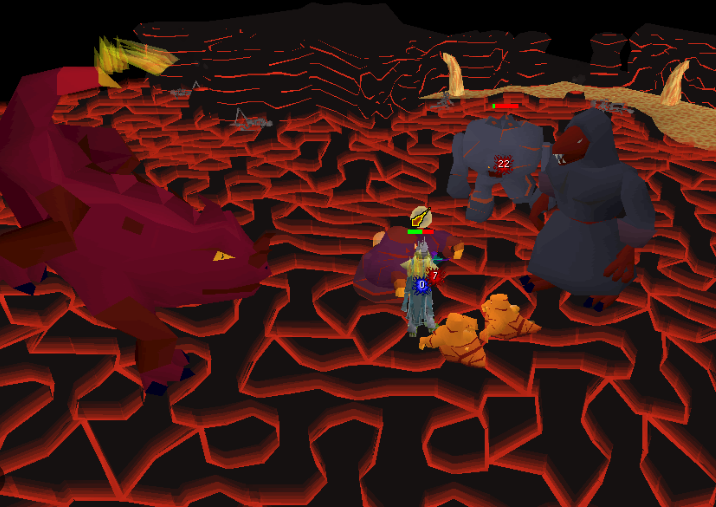
Old School RuneScape’s TzHaar Fight Cave is one of the most intense PvE challenges in Old School RuneScape, pushing players through 63 waves of increasingly dangerous enemies before facing the legendary TzTok-Jad. Can you survive flawless prayer switching under pressure? Are your gear choices optimized for endurance rather than burst damage? Do you know how to handle multiple threats while conserving supplies for the final boss?

This guide breaks down everything you need, from preparation to execution, so you can finally earn your Fire Cape.

If you want a smoother progression, consider purchasing resources from RSorder to boost your preparation and efficiency early on.

1. Understanding the TzHaar Fight Cave Challenge

Key Takeaways:

·63 waves of escalating combat difficulty

·Mixed enemy types: melee, ranged, and magic

·Final boss: TzTok-Jad requires perfect prayer timing

·No checkpoints-death means restarting

The Fight Cave is not just about DPS; it is a test of endurance, awareness, and mechanical precision. Each wave introduces more complex enemy combinations, forcing players to reposition and react constantly. By the time you reach Jad, even a single mistake can end your run.

2. Preparation: Gear, Inventory, and Strategy

Key Takeaways:

·Balanced gear > pure damage setups

·Prayer potions are essential for survival

·Ranged is the safest combat style

·Sound cues matter for reaction timing

Before entering, ensure you are fully equipped with high-tier ranged gear such as Karil’s or blowpipe setups. Bring ample prayer potions, restore potions, and a few emergency healing items like Saradomin brews. Efficient preparation saves time and reduces risk during later waves.

A smart economy also helps progression-many players use OSRS gold to secure upgraded gear early, reducing grind time and improving consistency in mid-to-late waves.

3. Wave-by-Wave Survival Strategy

Key Takeaways:

·Always prioritize healers and rangers first

·Use pillars for line-of-sight control

·Trap melee enemies behind obstacles

·Maintain prayer discipline at all times

Early waves are about positioning, not rushing kills. Use the central pillars to isolate enemies and reduce incoming damage. As waves progress, focus on eliminating ranged and magic threats first since they deal unavoidable damage if ignored. Efficient wave control is what separates consistent Fire Cape runners from repeated failures.

4. Facing TzTok-Jad: The Final Test

Key Takeaways:

·One-hit mechanics demand perfect reaction timing

·Audio cues are critical for prayer switching

·Healers must be managed immediately

·Panic leads to instant failure

Jad’s attacks are telegraphed by animation and sound. A stomp signals melee, a raise indicates ranged, and a magic fireball follows a casting animation. The key is calm reaction-switch prayers immediately without hesitation. If healers spawn, prioritize tagging them while maintaining prayer discipline.

This is also where preparation matters most. Some players choose to buy OSRS gold to upgrade gear beforehand, ensuring faster, earlier waves and more supplies preserved for this final encounter.

5. Rewards and Why It Matters

Key Takeaways:

·Fire Cape is one of the best melee capes

·Unlocks prestige and combat bonuses

·Proof of high mechanical skill

·Essential for many mid-to-late game builds

Completing the Fight Cave grants the Fire Cape, a highly respected item in OSRS progression. Beyond stats, it symbolizes mastery of core combat mechanics and is often required for optimized PvM setups.

Who This Guide Is For & Value

This guide is designed for mid-to-late game players struggling with consistent Fire Cape runs, returning players relearning mechanics, and efficiency-focused grinders looking to optimize their PvM progression. It delivers structured survival methods, preparation strategies, and boss-fight breakdowns that reduce randomness and increase success rate.

Helpful Tips for Success

·Practice prayer switching before attempting Jad

·Use visual markers around pillars for positioning

·Turn on game sounds for attack recognition

·Stay patient-rushing leads to mistakes

·Always conserve supplies for later waves

Core Benefits Summary

·Faster Fire Cape acquisition

·Improved PvM mechanics and reaction speed

·Better resource management during long fights

·Higher survival consistency in late-game content

Mastering the Fight Cave is a milestone in every player’s journey through Old School RuneScape. With the right preparation, disciplined execution, and smart resource management, TzTok-Jad becomes less of a wall and more of a victory lap. For players who want to accelerate their progress, RSorder offers an easy way to strengthen their setup before the grind begins, helping them focus on skill, not struggle.
Some Classic Runescape Quests Won’t Make It Into Old School RuneScape

Old School RuneScape (OSRS) has long been celebrated for its nostalgic feel, bringing back the charm of the game as it was in 2007 while also providing players with new content through careful updates. For many OSRS players, part of the appeal lies in the preservation of the “classic” experience that players of the original RuneScape enjoyed. The development team, Jagex, has been meticulous about what updates and content are included in OSRS, ensuring that it remains true to its roots while still evolving in a way that feels organic to the original game.

However, one aspect of OSRS that has raised questions among players is the selection of quests that are, or rather are not, included in the game. While many quests from RuneScape’s earlier years have made their way into OSRS gold, there are certain iconic quests from the classic era that, for various reasons, will not be making an appearance in the Old School version. This article delves into the reasons why some classic RuneScape quests will never be included in OSRS and explores the broader implications of these decisions.

The Philosophy Behind OSRS

Before examining the specific quests that won’t make it into OSRS, it’s important to understand the philosophy behind OSRS as a game. OSRS was created as a “time capsule” version of RuneScape, designed to preserve the state of the game as it existed back in 2007. It’s a game that caters to players who want to relive their memories of the past while still receiving updates and additions that feel true to the original.

This preservationist mentality means that OSRS, while receiving updates, does not always follow the same development trajectory as RuneScape 3 (RS3). It is intended to stay as faithful as possible to the 2007 version of the game, which means that certain developments, including quests, must be carefully considered before being added to the game. If a particular quest or story arc diverges too far from the essence of the 2007-era game, it risks breaking the immersion and nostalgic value that OSRS holds for its fanbase.

The Role of Community Involvement in OSRS Development

Unlike RuneScape 3, OSRS is largely driven by player feedback. This is an essential aspect of how the game evolves, and the community’s influence is perhaps most prominent when it comes to deciding which content is added to the game. Through polls and community input, players have the opportunity to vote on whether or not specific content should be added to the game.

If a quest is to be added to OSRS, it typically undergoes a community poll where players vote on whether they would like to see it in the game. While the idea of including old content from RuneScape is often popular, some classic quests don’t make it through these community polls due to concerns about lore, difficulty, or simply the desire to avoid breaking the integrity of the game’s original setting.

Why Some Classic Quests Won’t Be Added to OSRS

Several factors contribute to why certain classic quests from RuneScape’s history won’t be appearing in OSRS. These factors involve issues such as lore continuity, thematic incompatibility, and development challenges. Below are a few of the reasons why some quests from the original game will never be part of OSRS.

1. Lore and Worldbuilding Incompatibility

One of the most significant reasons for excluding certain quests from OSRS is the issue of lore and world-building. As OSRS continues to develop, it needs to ensure that new content fits within the established world of Gielinor, and sometimes this creates a conflict when trying to add quests from RuneScape’s later years.

Take the “Elven” quests, such as “The Fate of the Gods,” which were released in RuneScape 3. These quests revolve around the highly intricate lore surrounding the Elves, their gods, and their complex relationships with other factions. The storylines in these quests are steeped in the events of the God Wars and the wider political landscape of the world, all of which are deeply tied to developments in the post-2007 lore of RuneScape.

In OSRS, the focus is firmly placed on the events leading up to 2007 and largely avoids incorporating content that might contradict the world that existed at that time. The inclusion of some of these later quests would disrupt the established lore, especially when it comes to the complex relationships between gods, factions, and other races that weren’t part of the original world-building in 2007.

2. Technical Limitations

Some of the classic quests that are excluded from OSRS are simply too advanced in terms of their technical demands. RuneScape has gone through significant graphical and engine changes over the years, and as a result, many quests in RuneScape 3 rely on mechanics that OSRS either doesn’t have or would require substantial changes to the game to support.

For example, quests in RuneScape 3 often feature intricate cutscenes, highly detailed animations, and voice acting, which make use of the more powerful game engine. OSRS, on the other hand, uses the older 2007-era graphics and mechanics, which do not support these features. While some quests in OSRS do make use of more modern mechanics, they are typically designed within the limitations of the game’s original engine.

A quest like “The Blood Runs Deep,” which was released in RuneScape 3, involves a high level of interaction with the environment, animated cutscenes, and other modern features. Recreating this quest in the context of OSRS would require considerable changes to the game’s engine, potentially changing the feel of the game altogether.

3. Nostalgia vs. New Content

Many quests in RuneScape 3 were designed with the evolving nature of the game in mind, and their stories often represent major turning points in the RuneScape universe. These quests could involve the introduction of new characters, regions, and gods that were added to the game after 2007. OSRS, however, is designed to preserve the world of RuneScape as it was in 2007, and this means that the development team must be careful not to introduce anything that would fundamentally alter the world.

For example, quests like “The Needle Skips,” which explore the more recent additions to the world such as the factions of modern-day RuneScape, would clash with the more “static” version of Gielinor in OSRS. Adding such quests would break the nostalgic feel and disrupt the overall continuity of the game as it existed back in 2007.

4. Community Polling and Consensus

In some cases, classic quests are excluded from OSRS simply because the community doesn’t support their inclusion. As mentioned earlier, OSRS content is largely driven by community input, and if a quest is seen as too complex or outside the scope of what players want in the game, it will not be added.

For instance, “The Death of Chivalry”, a quest from RuneScape 3, features an extremely complex storyline with political intrigue and heavy involvement of high-level factions in the game. It’s a quest that appeals to a certain demographic of players who enjoy intricate plots, but many players in the OSRS community have expressed concerns about such content potentially disrupting the game’s core identity. Given that OSRS prioritizes accessibility and simpler narratives, such content might not pass the player polls.

5. Focus on Combat and Skills Rather than Storytelling

Some classic quests from RuneScape 3 simply don’t fit the OSRS mold because they are too focused on complex narratives and puzzle mechanics that don’t resonate with OSRS’s more combat and skill-based focus. OSRS players generally prefer quests that are relatively straightforward in terms of their objectives and rewards. More complex and story-driven quests that rely heavily on intricate dialogue or puzzle-solving tend to be less popular with the OSRS community.

Conclusion

While OSRS remains a nostalgic journey into the past for many players, its commitment to preserving the 2007-era experience means that not every classic RuneScape quest will make the cut. Whether due to lore conflicts, technical limitations, or the community’s preference for a simpler, more combat-oriented game, certain quests from RuneScape’s history will remain part of the past.

The future of OSRS will likely continue to balance the introduction of new content with the need to maintain the integrity of the original game. This careful curation of quests and updates ensures that OSRS remains the beloved version of RuneScape that players know and cherish, while also evolving in a way that respects its history. As new quests are added and others are left out, players can be confident that the spirit of buy RuneScape gold will remain intact, even if some of its most complex and grandiose storylines don’t make it into the game.