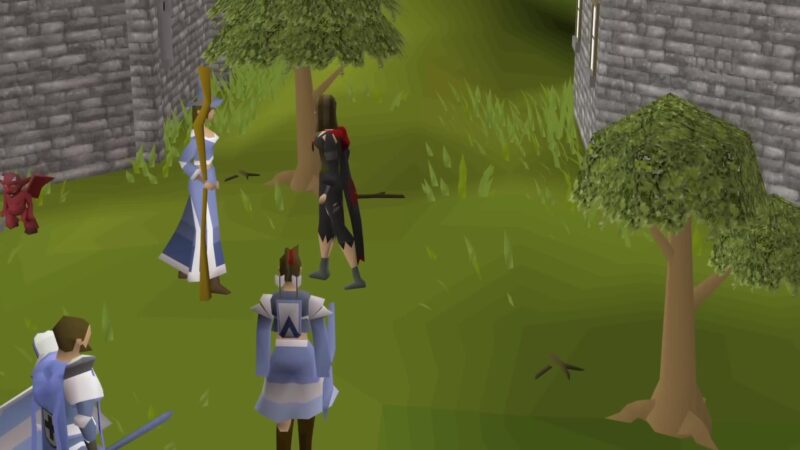
Old School RuneScape (OSRS) is a game that’s been around for over two decades, but in recent years, it’s become more accessible than ever—especially for players looking to get into Player Versus Monster (PVM) content. From the lowliest noob to the top-tier boss killer, the game has introduced so many useful updates that make the transition into PVM a relatively seamless journey. With the right preparation and enough practice, anything in OSRS is achievable, no matter how tough the content may seem at first glance.
While some players might make endgame bosses sound like an unattainable feat, the truth is that the barriers to entry have lowered significantly. Whether you’re fresh to the game or someone who’s been grinding for years and never dipped into PVM, this guide will help you get started. I’ve been playing OSRS for 20 years, and it wasn’t until recently that I started tackling bosses myself. I know how daunting it can be to leave the comfort zone of questing and skilling for something as intense as bossing. So, let’s break it down.
I’ll go through the best bosses to target when you’re starting, as well as give some essential tips that will help you as you level up your PVM skills. These are the bosses that teach the key mechanics you’ll need to face tougher foes down the road. So, let’s jump in!
The First Step: Scurrius – The Rat King
The first boss on the ladder for any player looking to break into PVM is Scurrius, the rat king boss that lurks under the Varrock sewers. If you have a combat level around 70, you’re more than capable of taking him on. What’s great about Scurrius is that it’s a great place to learn PVM mechanics without much risk. You can fight him in a public group instance, which is ideal if you’re learning or playing with friends. However, the solo instance is where you’ll really get the most out of the experience.
Learning Mechanics
Scurrius is an excellent training tool for understanding some of OSRS’s most essential mechanics. For starters, you’ll become very familiar with prayer switching. One of the key phases of the Scurrius fight has him leaving you alone while he smashes cheese around the room. But be warned, his little rat minions haven’t forgotten about you—they’ll blast you with magic attacks and a ranged attack that looks like some kind of stinky cheese blast. You’ll need to toggle between Protect from Magic and Protect from Missiles to avoid taking too much damage.
This mechanic is vital for mastering future boss fights, like the notorious Jad fight in the Fight Caves. If you want to get your first OSRS Fire Cape, you’ll need to learn prayer switching, and Scurrius is a great way to ease into this skill without much risk.
Another critical mechanic you’ll learn from Scurrius is don’t stand in the shit on the floor. Bricks fall from the sky during the fight, and you’ll see shadows on the ground indicating where they’re about to land. Simply put: if you’re standing in the shadow, move. This may sound easy, but with all the other things you’re managing—prayer, health, and the minions—you may find yourself in a tight spot. Mastering this skill will carry over to higher-level bosses, such as the Phantom Muspah and Vardorvis. These mechanics become second nature once you practice them at Scurrius.
Finally, Scurrius summons rat minions during the fight, and this is a great place to learn one-ticking. With a Rat Bane weapon, you can attack every 0.6 seconds, allowing you to quickly eliminate the minions. This mechanic carries over directly to more difficult fights like Phase 3 Wardens in the Tombs of Amascut and other bosses where fast, precise attacks are crucial.
Next Step: Amoxliatl – The Hidden Challenge
Once you’ve gained some confidence from Scurrius, the next boss you should consider is Amoxliatl, located in the remote Varlamore region. She requires completing the Heart of Darkness quest before you can access her lair, but the rewards and skills you’ll learn make it well worth the effort.
Amoxliatl is similar to Scurrius in that she reinforces many of the key mechanics you’ll need in higher-level PVM. One of the most useful items she drops is the Pendant of Tears, which can be charged with the Tears of Amoxliatl to teleport you to just outside her arena. This makes it far easier to tackle her fight, which can be a pain to get to otherwise.
Dodge the Floor – A Repeated Lesson
If you thought dodging falling bricks was challenging, Amoxliatl ups the ante. Her fight revolves around icy pools that spawn randomly around the room, with one always guaranteed to spawn under your feet. This forces you to learn how to move quickly and efficiently, practicing the movement and pathing mechanics that will be necessary for dealing with many other endgame bosses.
This mechanic reinforces the fact that OSRS is a rhythm game in disguise. The pacing of the fight requires you to get into a rhythm, constantly moving while managing your health and prayers. This is a critical skill that will come in handy when you face off against bosses like Vorkath or the Vardorvis head during Desert Treasure 2.
Prayer Switching – Another Crucial Skill
Amoxliatl also has an attack called Icicle, which will switch off your prayers. You’ll need to be quick to react and switch them back on, much like the purple dragonfire attack from Vorkath. If you plan to kill Vorkath for OSRS gold in the future, getting used to this mechanic is essential, and practicing with Amoxliatl is a great way to prepare.
Bosses to Avoid
While it’s important to know which bosses to target, it’s just as important to know which ones to avoid early on. Classic bosses like King Black Dragon, Chaos Elemental, and Kalphite Queen are huge damage sponges with massive max hits. They might seem enticing, but they’re often a massive frustration for new players who lack the gear and experience to deal with them. My own experience with the Kalphite Queen was a huge lesson in what not to do: full Verac’s gear, getting one kill every 10 minutes, and no real understanding of the fight.
Instead of wasting time grinding out these classic bosses, focus on bosses that challenge your mechanics and improve your skill set. It may seem like a better idea to kill the Kalphite Queen for the drops, but unless you’re ready for the challenge, you’ll just end up wasting resources and feeling frustrated.
Don’t Worry About Profit Early On
Another key point when learning new bosses is not to get too caught up in the cost or profit. You will die, and you will lose money initially. I lost millions of gold when I was learning to fight Duke Succellus, but that soon became irrelevant when I got a drop worth 60 million. As you get better, the cost of supplies becomes insignificant compared to the value of the drops you’re earning.
Conclusion: Keep Practicing, Keep Learning
PVM in OSRS is more accessible than ever, but it still requires patience, practice, and the willingness to learn from your mistakes. The bosses we’ve talked about here—Scurrius and Amoxliatl—are great entry points for anyone looking to dip their toes into PVM. They’ll teach you essential mechanics, from prayer switching to dodging attacks to learning how to deal with multi-phase fights.
As you progress, there will be tougher challenges, but with the right preparation, you’ll be ready. Don’t let the naysayers discourage you. With practice and the right mindset, you can become a top-tier boss killer in no time. Stay tuned for more guides on breaking into mid-game and endgame content, and make sure to subscribe for the next steps in your PVM journey.